
Listen to the Portion
Audio reading of the Torah portion
Overview
Ki Tisa — "When You Take" — opens with a series of precise ritual instructions: the half-shekel census tax as a ransom against plague, the bronze basin for priestly washing, the sacred anointing oil and incense whose formulas are strictly forbidden from private replication, and the appointment of Bezalel and Oholiab as Spirit-filled artisans for the Tabernacle. The unit closes with the Sabbath command as an eternal covenant sign, and the gift of the two stone tablets written by the finger of God.
Then the narrative pivots catastrophically. While Moses lingers on the mountain, the people grow anxious and demand a visible guide. Aaron fashions a golden calf from their earrings, and Israel declares, "These are your gods, O Israel, who brought you up out of the land of Egypt!" God threatens annihilation, but Moses intercedes — appealing to God's own reputation among the nations and to the patriarchal promises — and God relents. Moses descends, shatters the tablets, destroys the calf, and calls the Levites to execute a punitive purge. He then ascends again to plead for Israel's forgiveness, offering himself to be blotted from God's book.
The portion's climax is a profound theological negotiation. Moses presses God to accompany Israel personally — not merely through an angel — and God agrees. Moses then asks to see God's glory, and God responds by proclaiming the Thirteen Attributes of Mercy (Exodus 34:6–7): "The LORD, the LORD, a God merciful and gracious, slow to anger, and abounding in steadfast love and faithfulness…" This proclamation becomes the central text of Jewish penitential liturgy. A renewed covenant is inscribed on new tablets, and when Moses descends, the skin of his face radiates light — a transformation so overwhelming that he must wear a veil when speaking to the people.
The Messianic Jewish reading sees in Moses' role as intercessor a foreshadowing of the ultimate mediator, and in the Thirteen Attributes a revelation of divine character that finds its fullest expression in the life and atoning work of Yeshua. The Haftarah from Ezekiel 36 echoes the same pattern: Israel's covenant failure, exile, and God's promise to act not for Israel's sake but for the sake of His holy name — cleansing, renewing, and restoring His people with a new heart and a new spirit.
Portion Outline
Torah
- Exodus 30:11The Half Shekel for the Sanctuary
- Exodus 30:17The Bronze Basin
- Exodus 30:22The Anointing Oil and Incense
- Exodus 31:1Bezalel and Oholiab
- Exodus 31:12The Sabbath Law
- Exodus 31:18The Two Tablets of the Covenant
- Exodus 32:1The Golden Calf
- Exodus 33:1The Command to Leave Sinai
- Exodus 33:7The Tent Outside the Camp
- Exodus 33:12Moses' Intercession
- Exodus 34:1Moses Makes New Tablets
- Exodus 34:10The Covenant Renewed
- Exodus 34:29The Shining Face of Moses
Prophets (Haftarah)
- Ezekiel 36:16The LORD's Name Profaned
- Ezekiel 36:22The LORD's Name Vindicated
* Shabbat Parah ("Sabbath of the Red Heifer") takes place on the Sabbath before Shabbat HaChodesh in preparation for Passover. Numbers 19:1–22 describes the parah adumah ("red heifer") and how the kohanim and the Jewish people purified themselves with its ashes.
Scripture Readings
Key Themes & Passages
Central concepts, Hebrew terms, and theological motifs of Ki Tisa
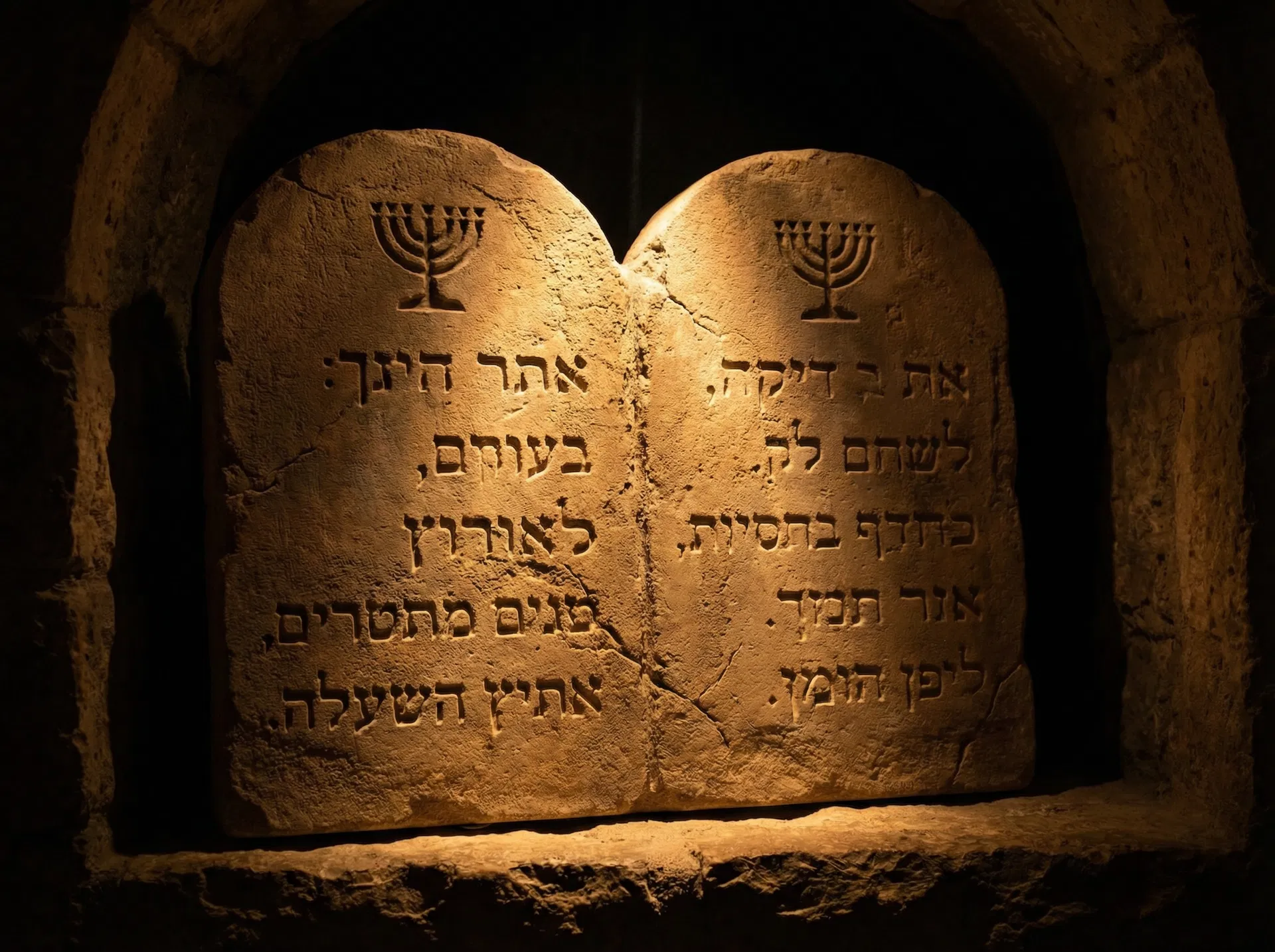
The Tablets of the Covenant
Written with the finger of God — broken and renewed
The Thirteen Attributes of Mercy
יְהוָה יְהוָה אֵל רַחוּם וְחַנּוּן
Adonai Adonai el rachum ve-chanun
When God passed before Moses and proclaimed His name, He revealed thirteen divine attributes: merciful, gracious, slow to anger, abounding in steadfast love and faithfulness, keeping steadfast love for thousands, forgiving iniquity, transgression, and sin. This proclamation (Exodus 34:6–7) became the central text for Jewish penitential liturgy, recited during Selichot and the High Holy Days.
The Golden Calf: Covenant Rupture
אֵלֶּה אֱלֹהֶיךָ יִשְׂרָאֵל
Eleh elohekha yisra'el
While Moses received the Torah on Sinai, Israel fashioned a golden calf and declared, "These are your gods, O Israel, who brought you up out of the land of Egypt!" The ambiguity of elohim — singular or plural — and whether the calf was a substitute deity or a misguided throne-image for YHWH has been debated by commentators from Rashi to modern scholars.
Moses' Radiant Face
קָרַן עוֹר פָּנָיו
Qaran 'or panav
When Moses descended from Sinai after forty days, the skin of his face radiated light — a transformation so striking that Aaron and the people were afraid to approach him. The Hebrew verb qaran (to send forth rays) was mistranslated as "horned" in some traditions, giving rise to the famous iconographic tradition of a horned Moses in medieval Christian art.
Shabbat as Covenant Sign
כִּי אוֹת הִוא בֵּינִי וּבֵינֵיכֶם
Ki ot hi beini u-veineikhem
Immediately before the Golden Calf narrative, God commands Shabbat observance as an eternal sign (ot) between Israel and God. The juxtaposition is deliberate: the people who were just commanded to sanctify time through Shabbat immediately violated the sanctification of space through idolatry. Shabbat is not merely law — it is identity.
The Half-Shekel Ransom
כֹּפֶר נַפְשׁוֹ
Kofer nafsho
The portion opens with a census instruction: every Israelite counted must give a half-shekel as kofer nafsho — a ransom for his life — to avert plague. The equality formula ("the rich shall not give more, and the poor shall not give less") makes this a uniquely egalitarian sacred tax. In rabbinic practice, Exodus 30:11–16 is read as the special maftir for Shabbat Shekalim before Purim.
Bezalel: Spirit-Filled Artisan
וָאֲמַלֵּא אֹתוֹ רוּחַ אֱלֹהִים
Va-amalle oto ruach Elohim
God calls Bezalel by name and fills him with the Spirit of God — with ability, intelligence, knowledge, and all craftsmanship. The Tabernacle is not built by human ingenuity alone but by Spirit-endowed skill. This is the first explicit mention of the Spirit of God filling a person for a specific task, presenting sacred artisanship as a form of divine vocation.
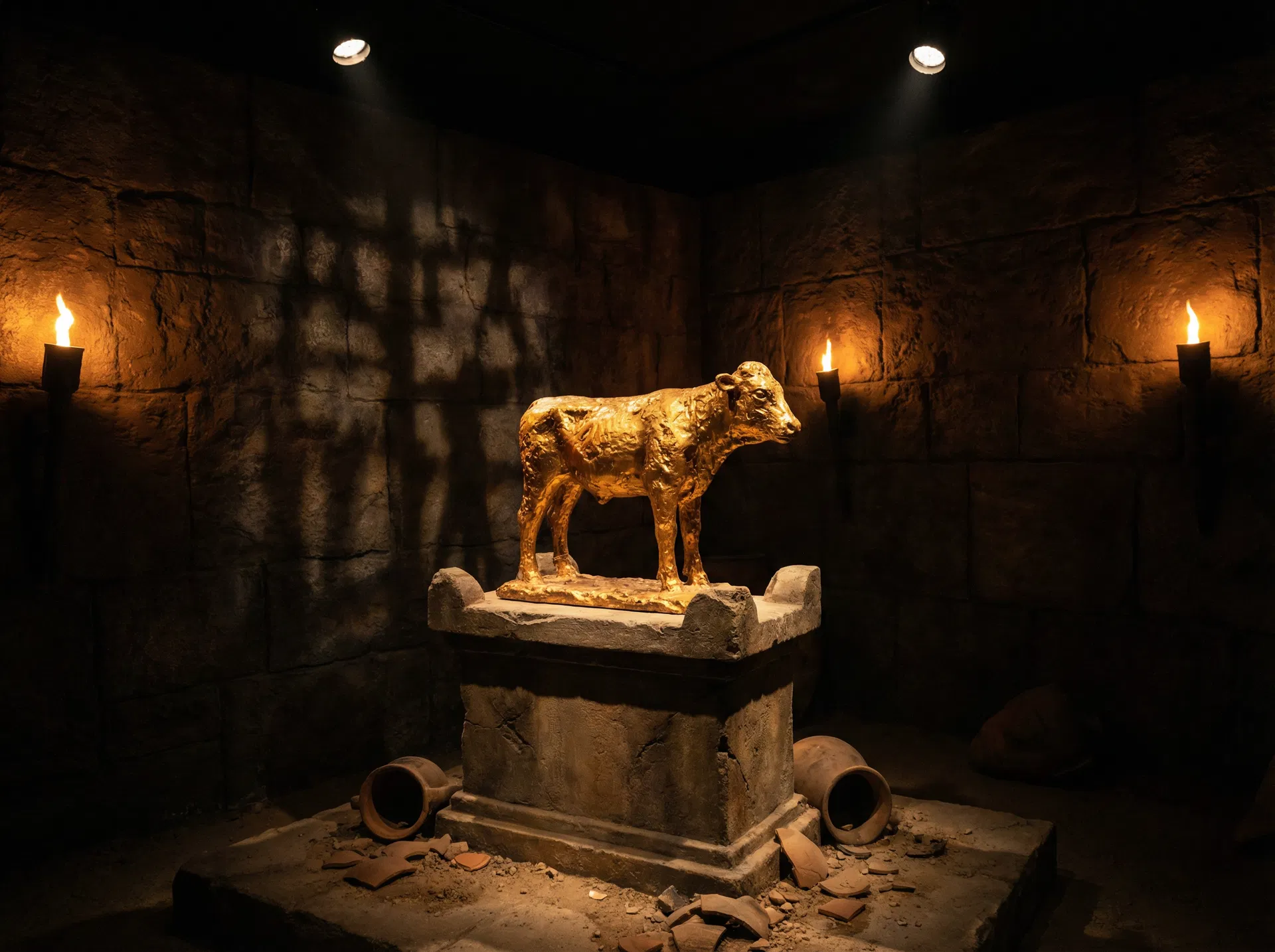
The Central Crisis
The Golden Calf
When Moses delayed on the mountain, the people's anxiety turned to idolatry. The golden calf is not merely a lapse into paganism — it is a covenant rupture, a betrayal of the relationship formed at Sinai just weeks earlier.
Classical commentators debate whether the people sought a new deity or a visible substitute for Moses' leadership. The ambiguity of elohim — "a god" or "gods" — and Aaron's declaration of "a feast to the LORD" suggest a more complex theological confusion than simple polytheism.
Moses' response — shattering the tablets, destroying the calf, interceding for the people, and ultimately ascending again to receive renewed covenant — models the role of the faithful mediator who stands between a holy God and a wayward people.
Journal & Reflection
When a marriage runs into trouble, sometimes it takes a third party to help put things back together. This week's Torah portion casts Moses into the role of marriage counselor between God and Israel.
The covenant at Sinai was, in the language of the prophets, a marriage: God as husband, Israel as bride. The golden calf was not merely a sin — it was adultery. And yet Moses stands in the breach, interceding with extraordinary boldness: "If you will forgive their sin — but if not, please blot me out of your book that you have written."
The Thirteen Attributes proclaimed in Exodus 34:6–7 are God's own answer to Moses' plea. They are not a list of divine qualities to be admired from a distance — they are a template for prayer, an invitation to appeal to God's own character when we have failed. Rabbinic tradition teaches that whenever Israel recites these words, God will not turn them away empty-handed.
The portion ends with Moses' radiant face — a face so transformed by encounter with God that it must be veiled. The veil is not a barrier to revelation but a regulator of it: Moses removes it when he enters God's presence, and replaces it when he speaks to the people. The mediator is himself transformed by the mediation.
"If your presence will not go with me, do not bring us up from here. For how shall it be known that I have found favor in your sight, I and your people? Is it not in your going with us, so that we are distinct, I and your people, from every other people on the face of the earth?" — Exodus 33:15–16
Commentary from a Messianic Jewish perspective · First Fruits of Zion (FFOZ)
Scenes from Ki Tisa
20 Photorealistic Illustrations
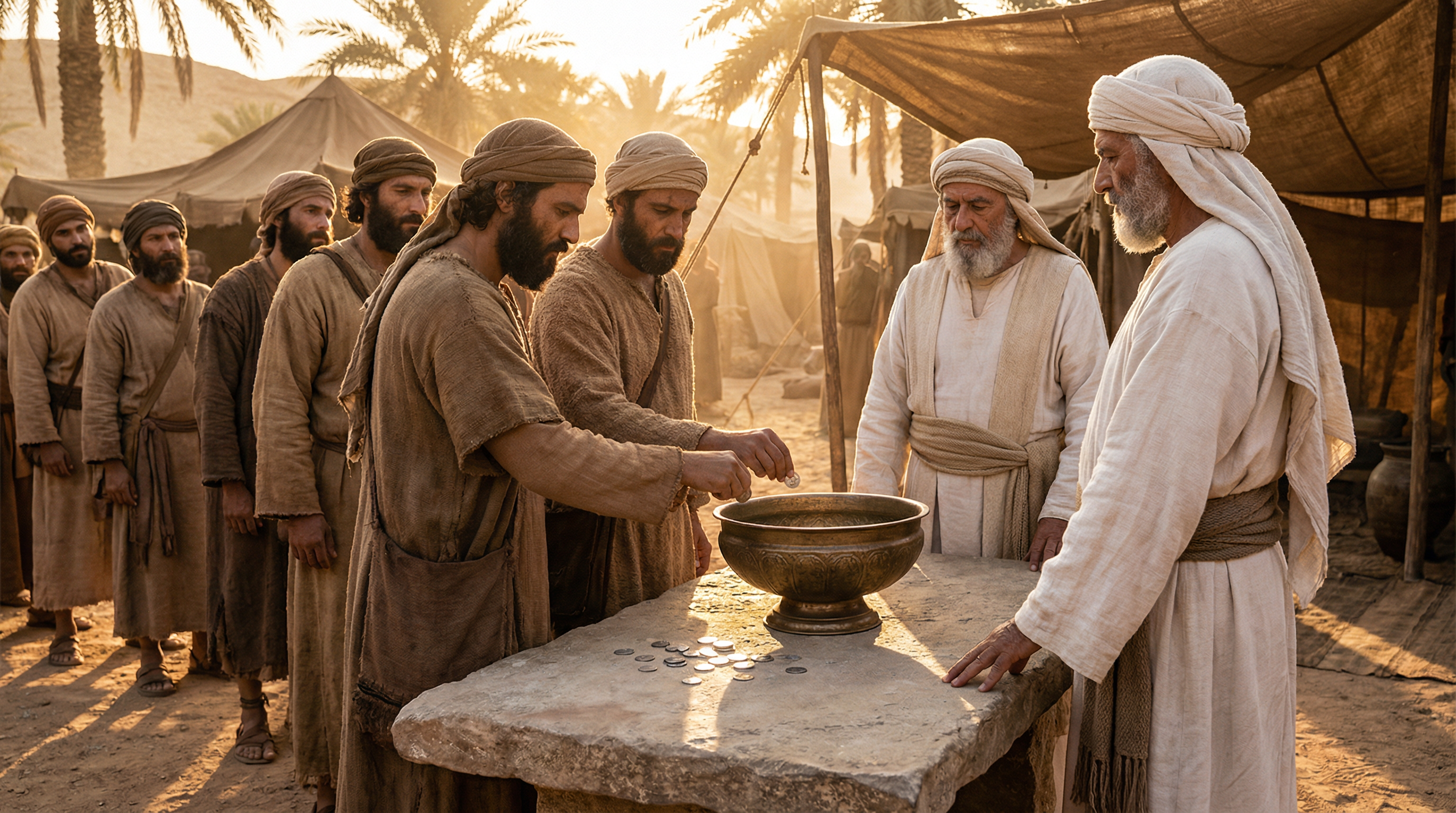
The Half-Shekel Census
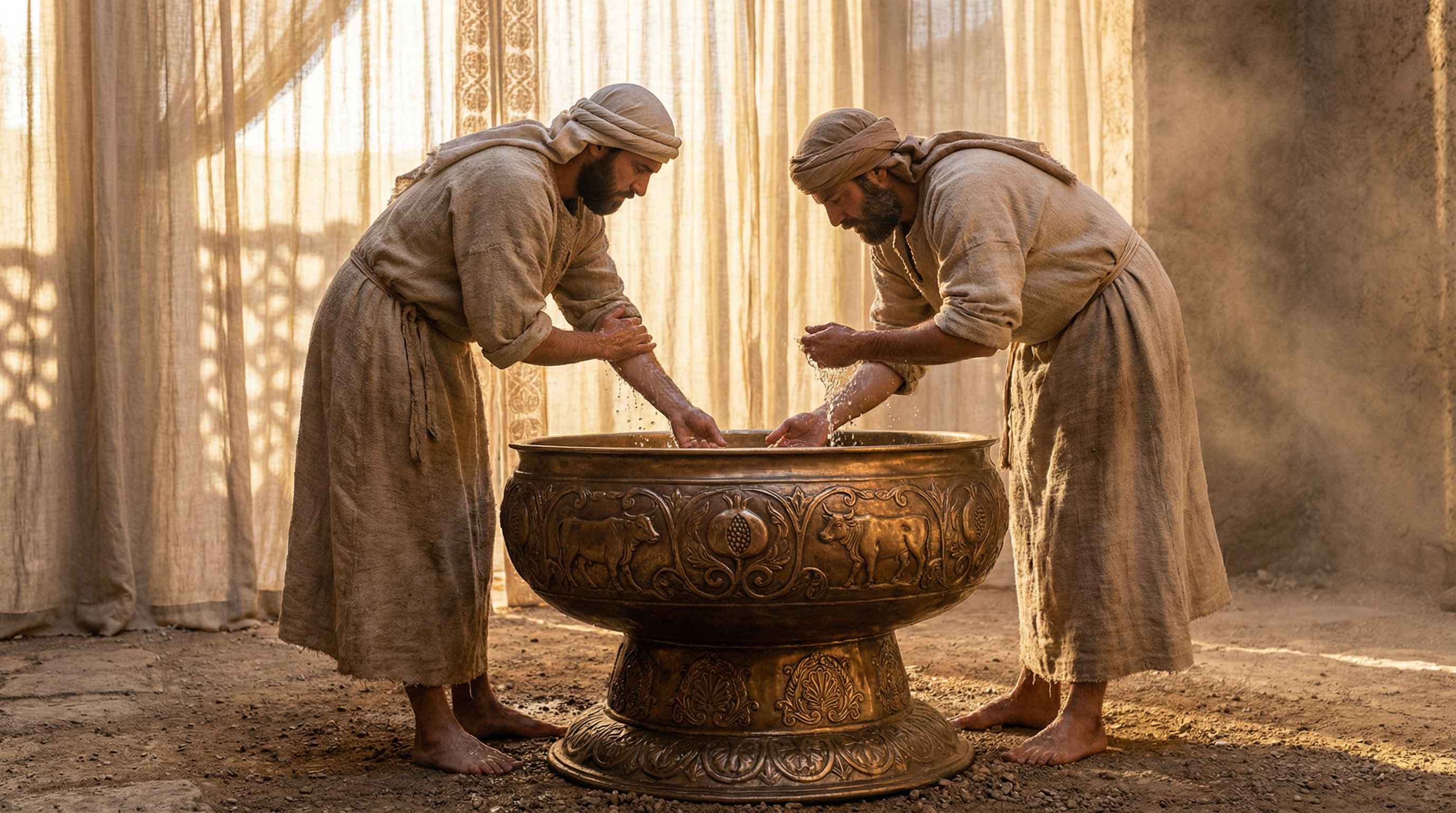
The Bronze Basin
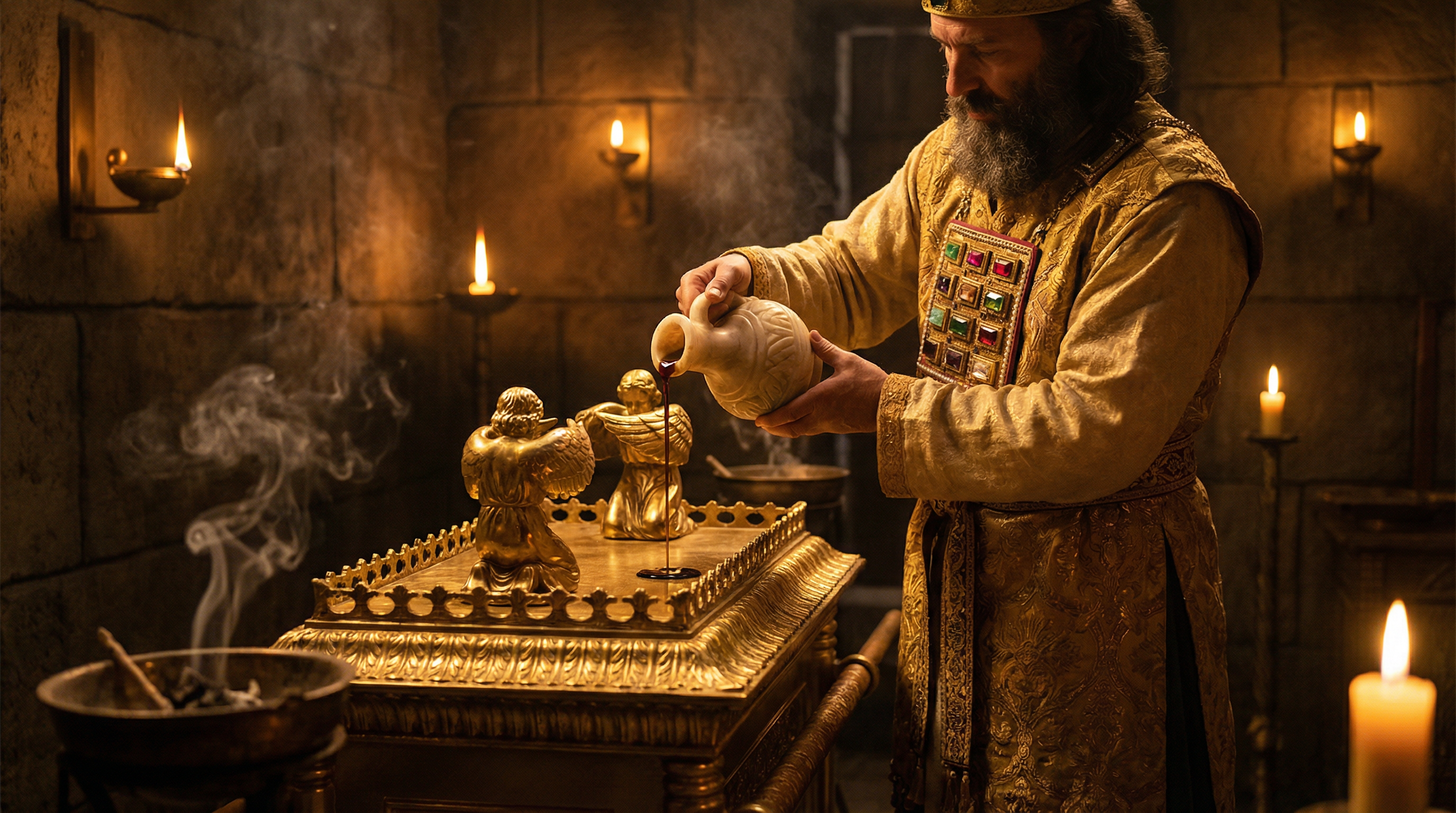
The Sacred Anointing Oil
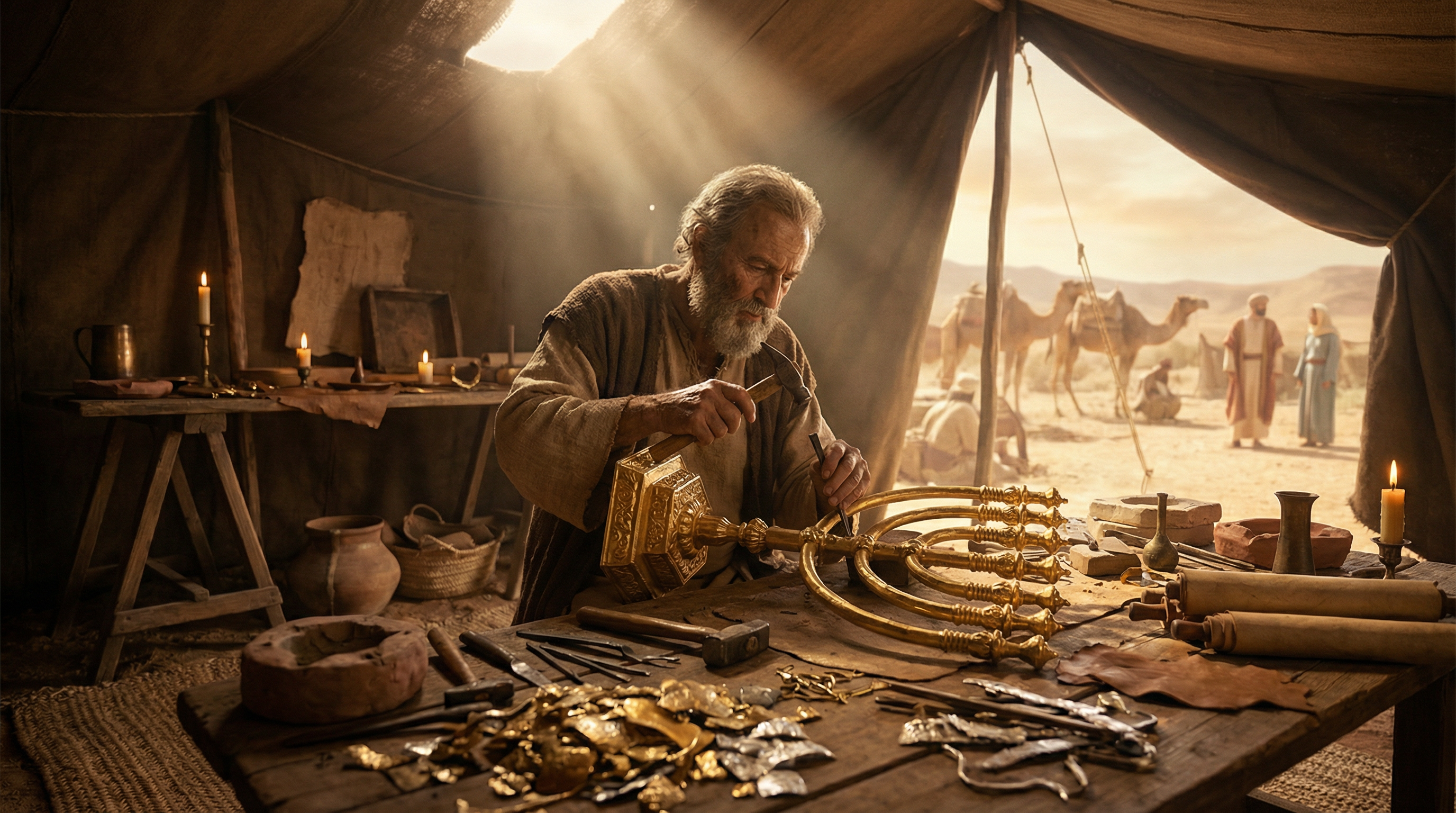
Bezalel the Craftsman

The Sabbath Sunset
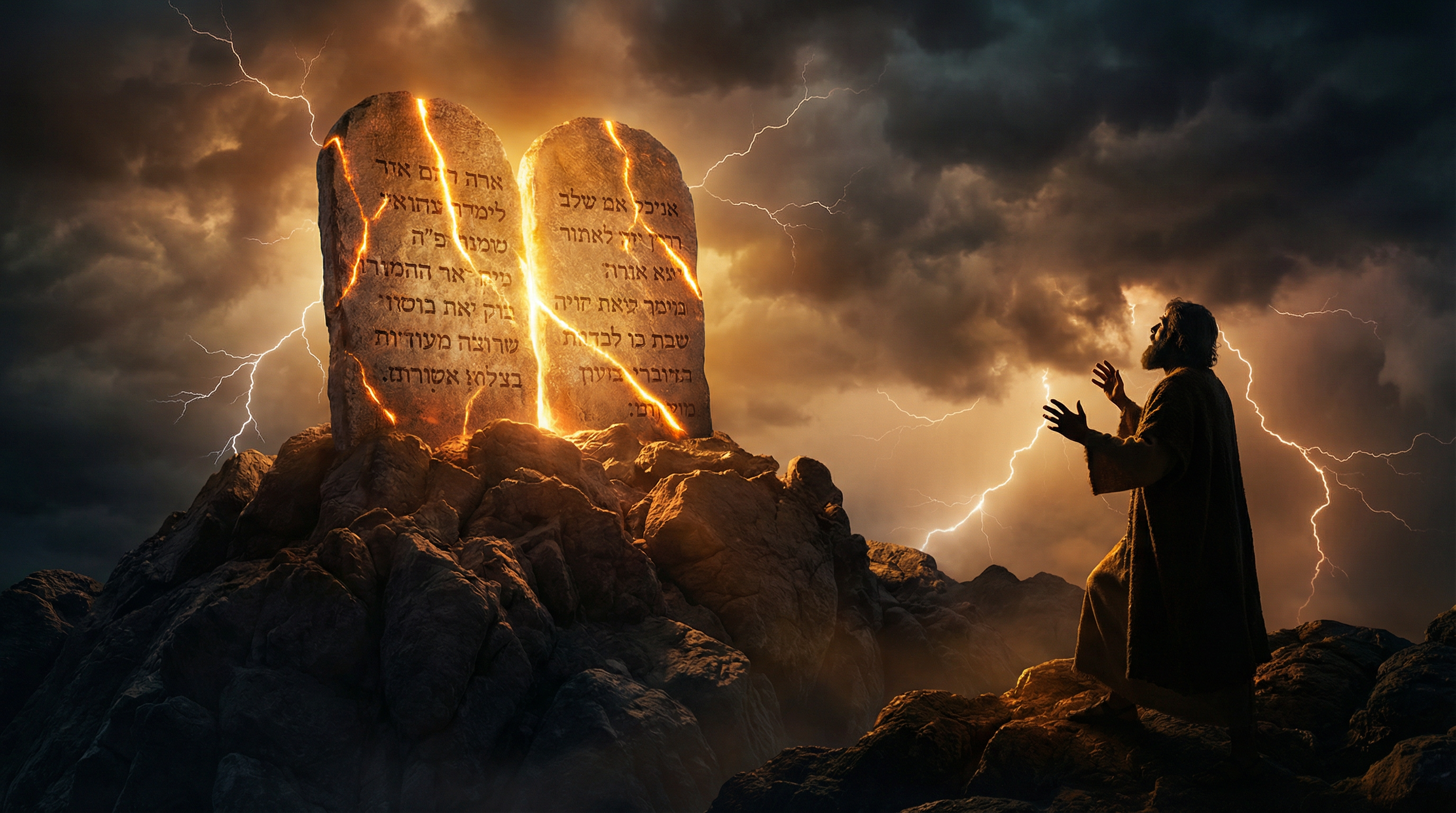
The Finger of God
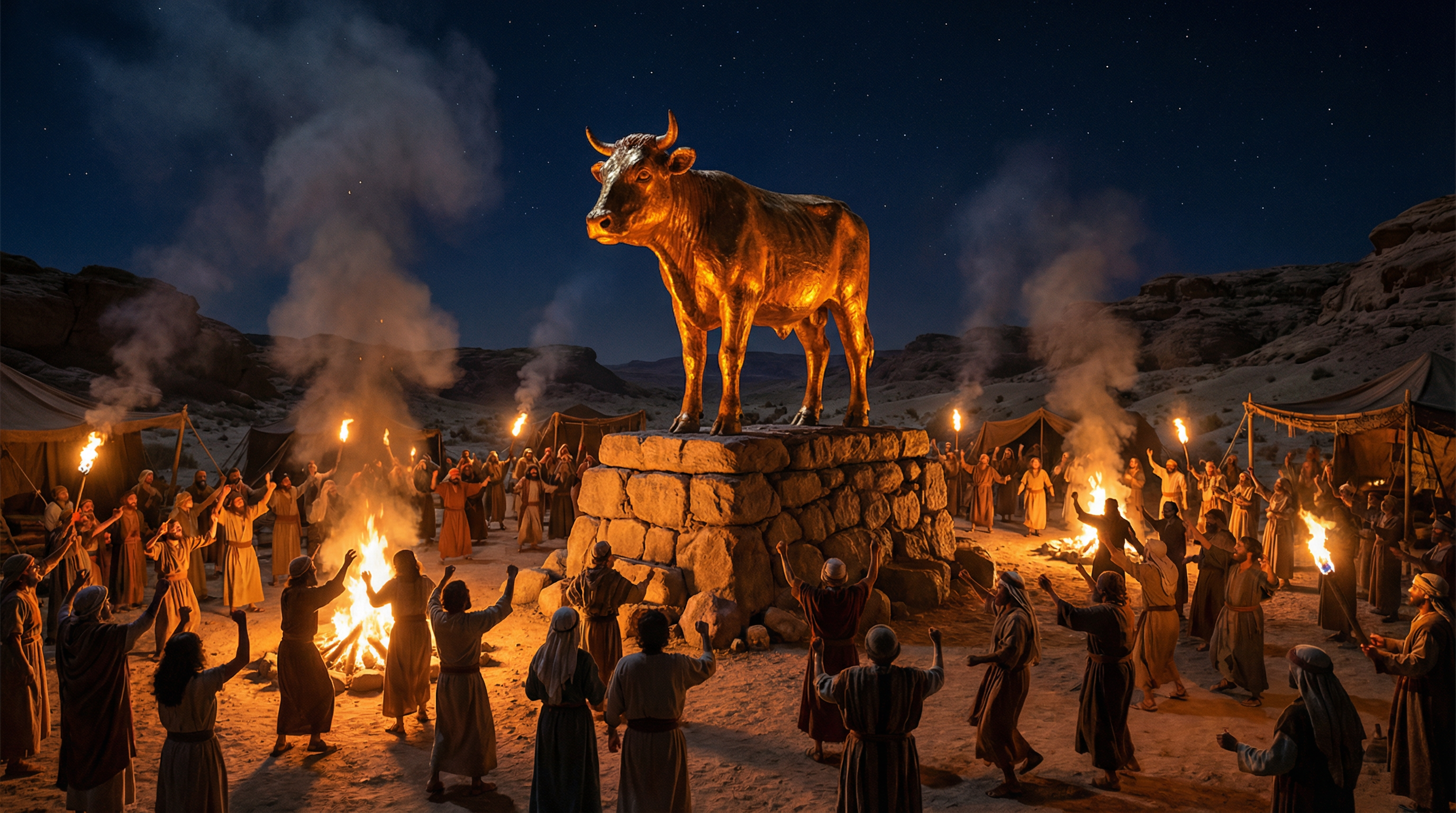
The Golden Calf
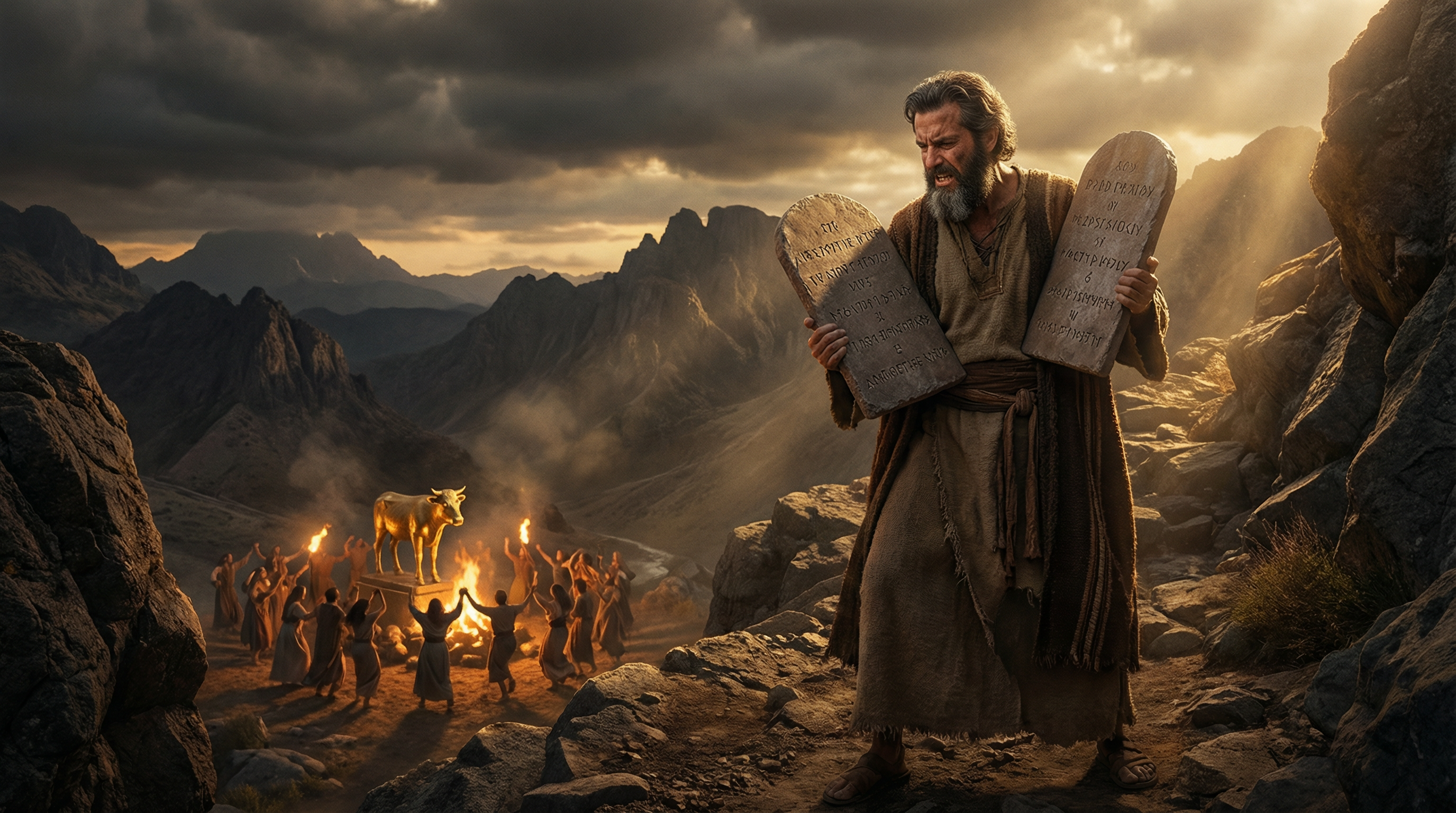
Moses' Righteous Anger

Moses' Intercession
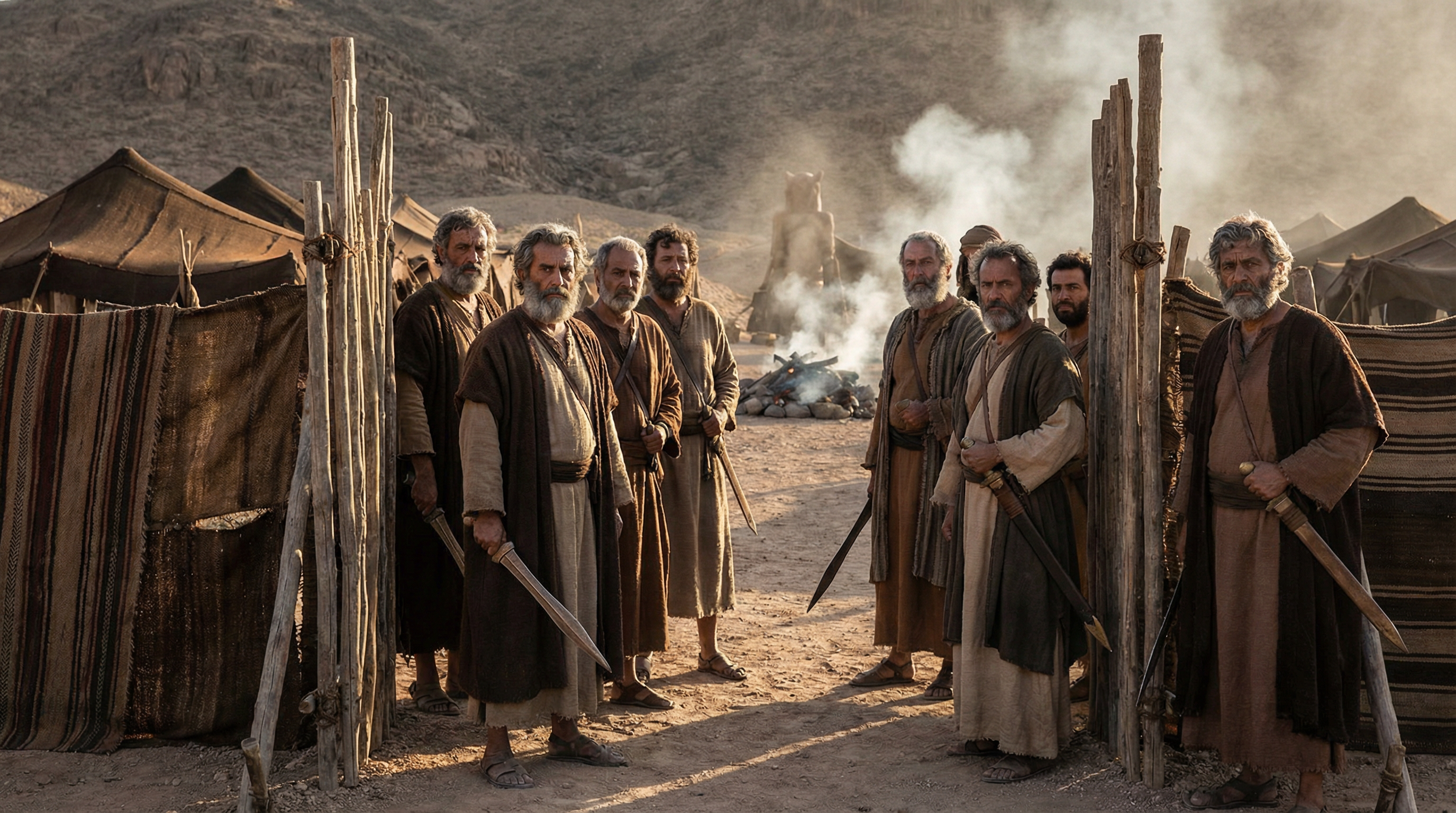
The Sons of Levi
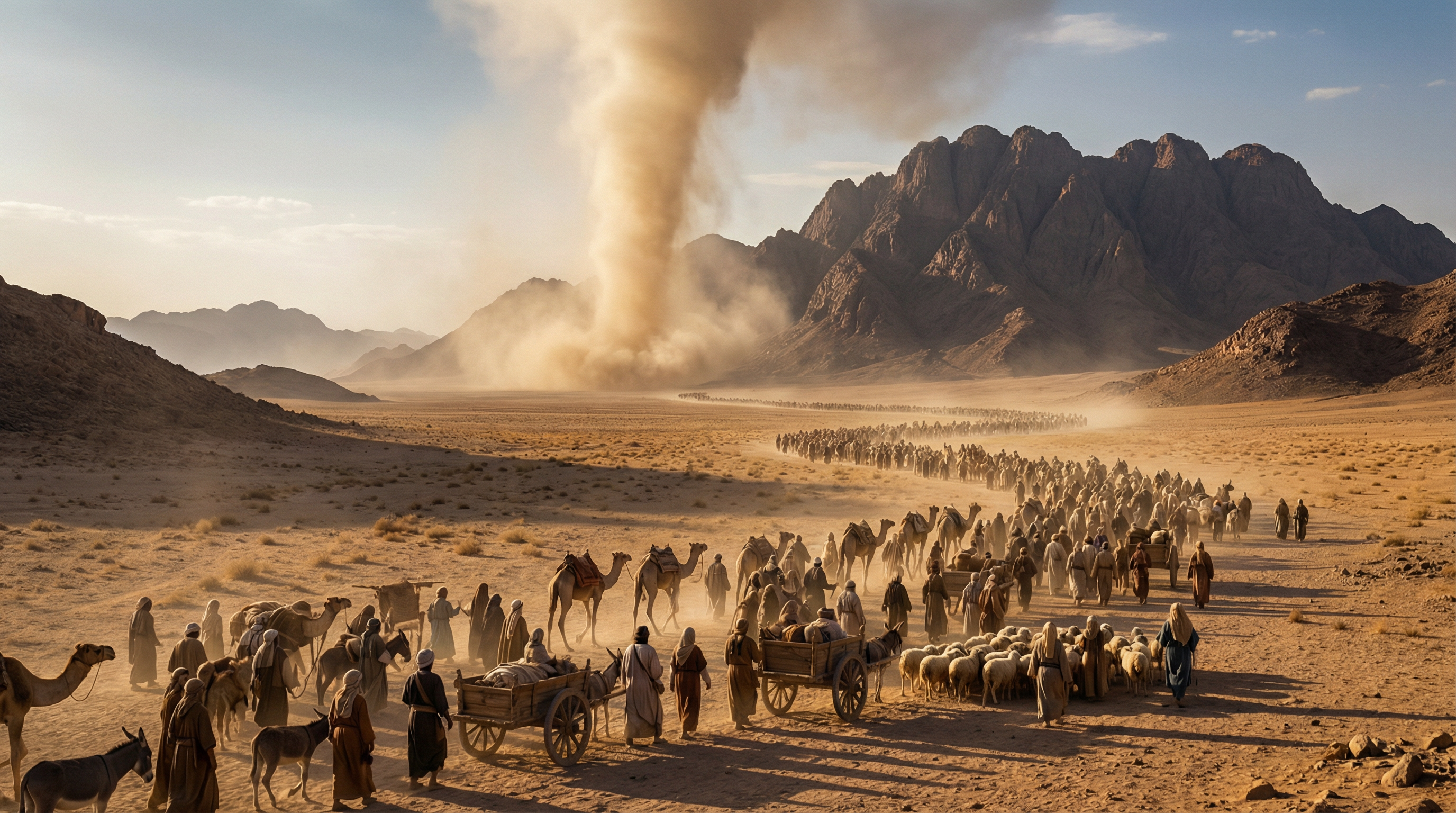
Departing from Sinai
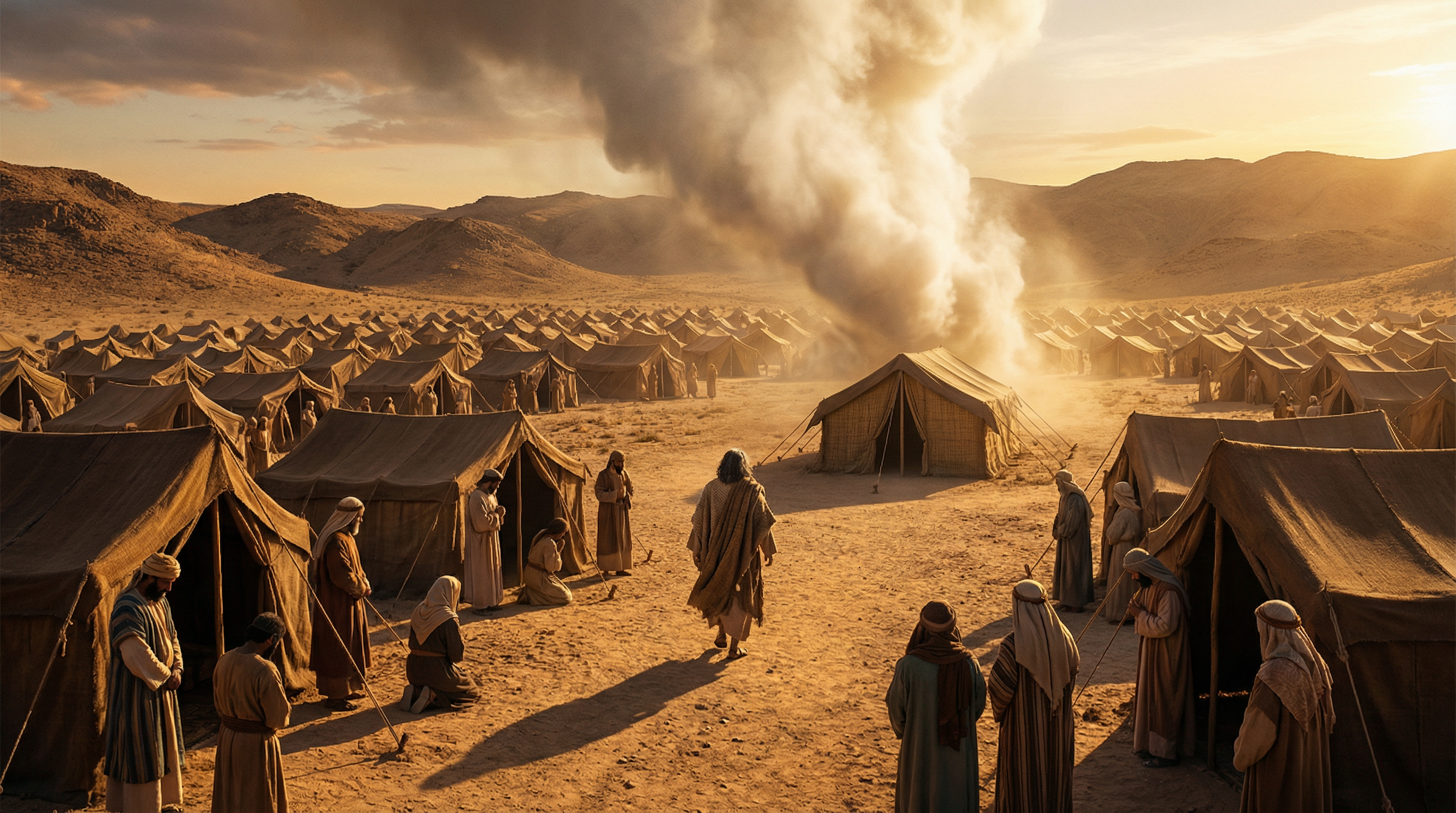
The Tent of Meeting
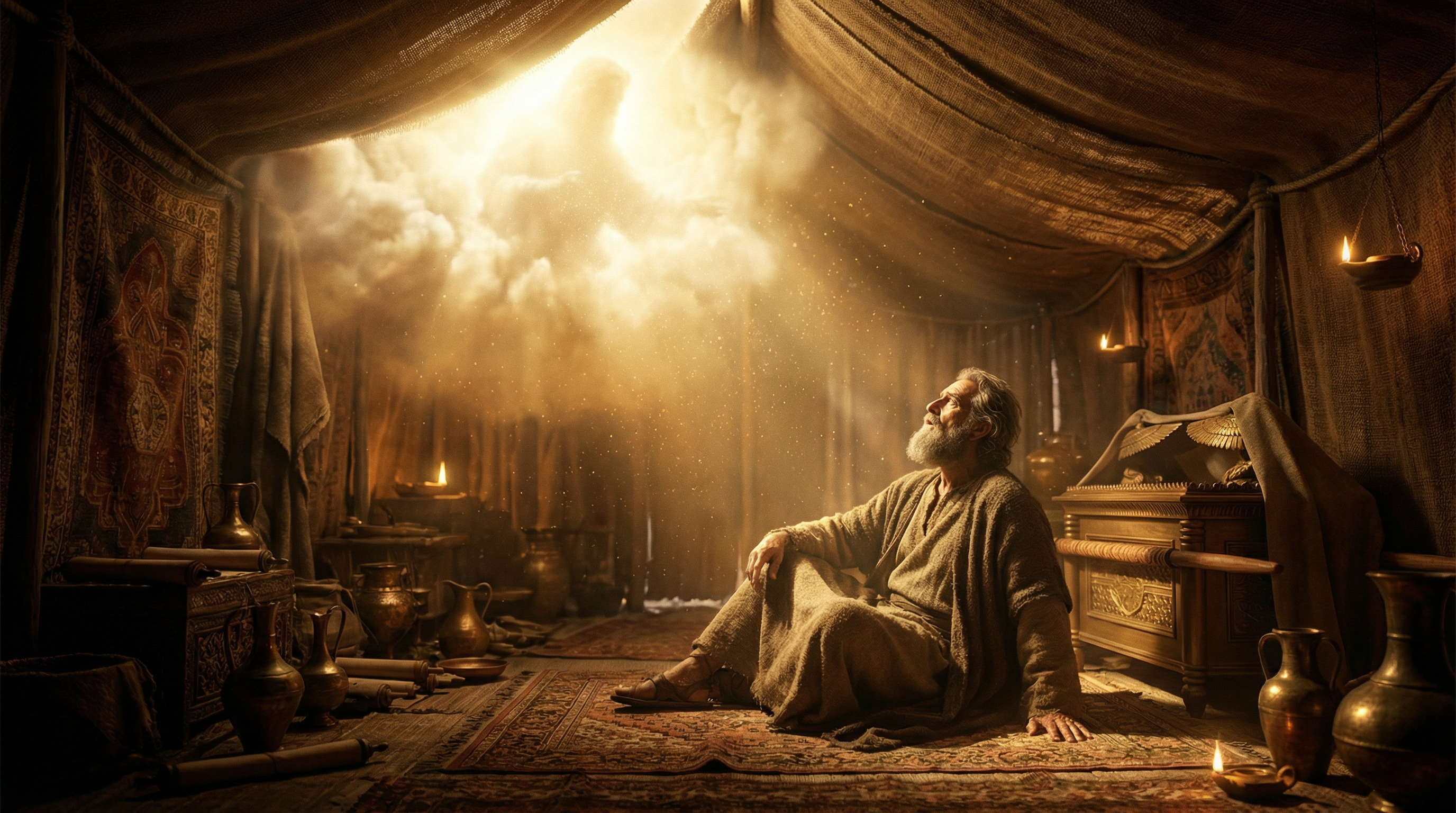
Face to Face with God
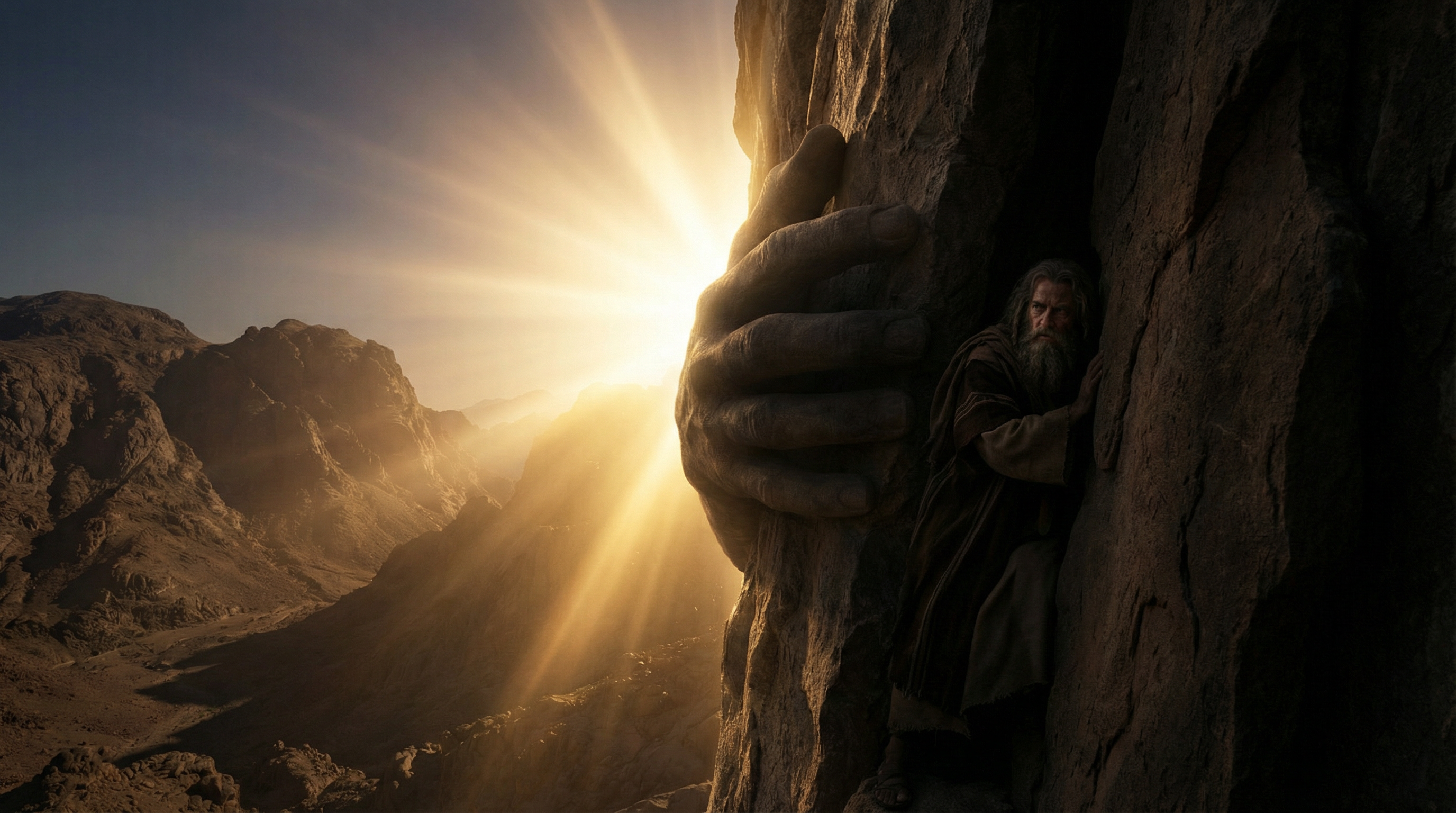
Hidden in the Cleft

Carving New Tablets
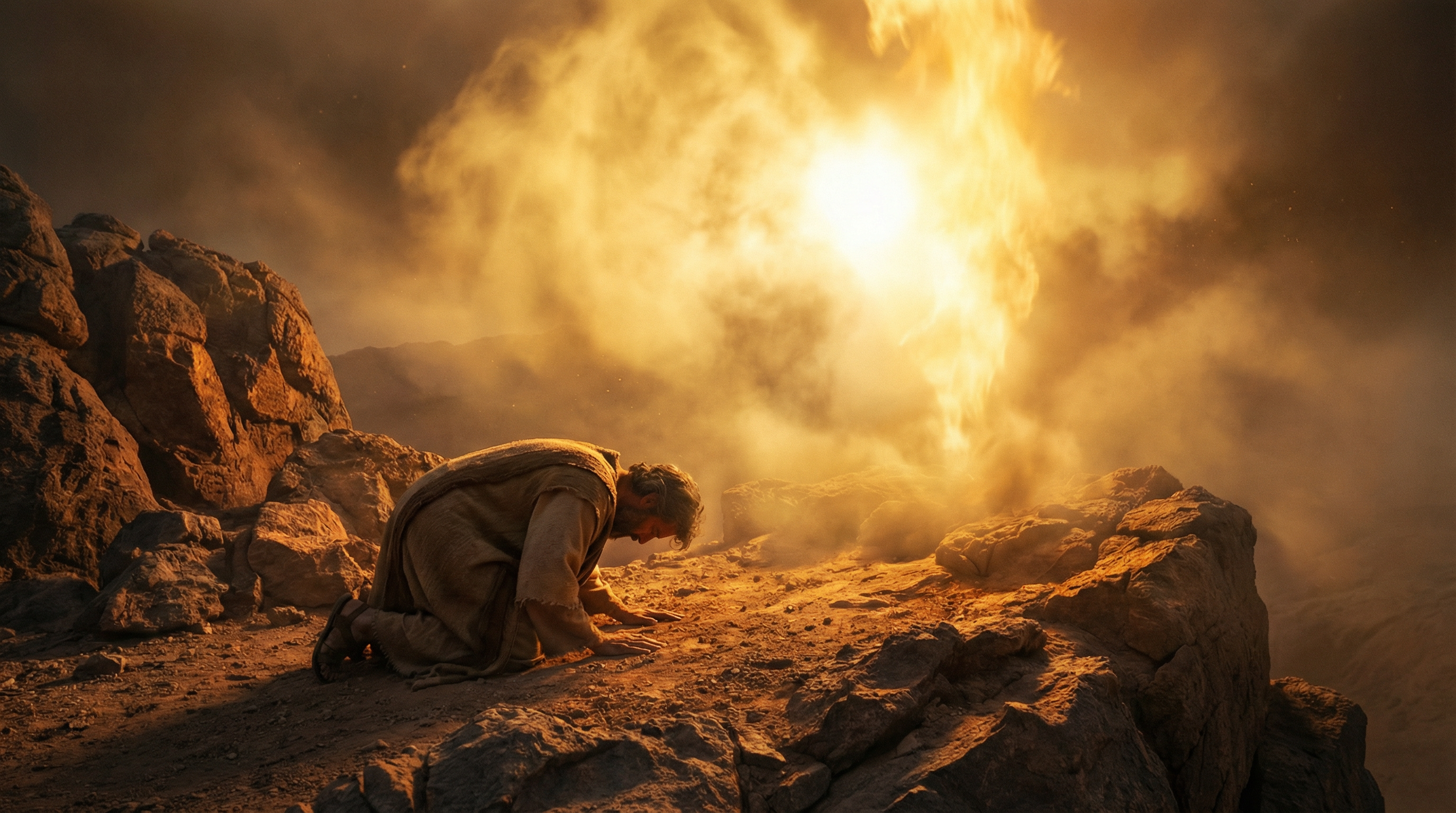
The Thirteen Attributes
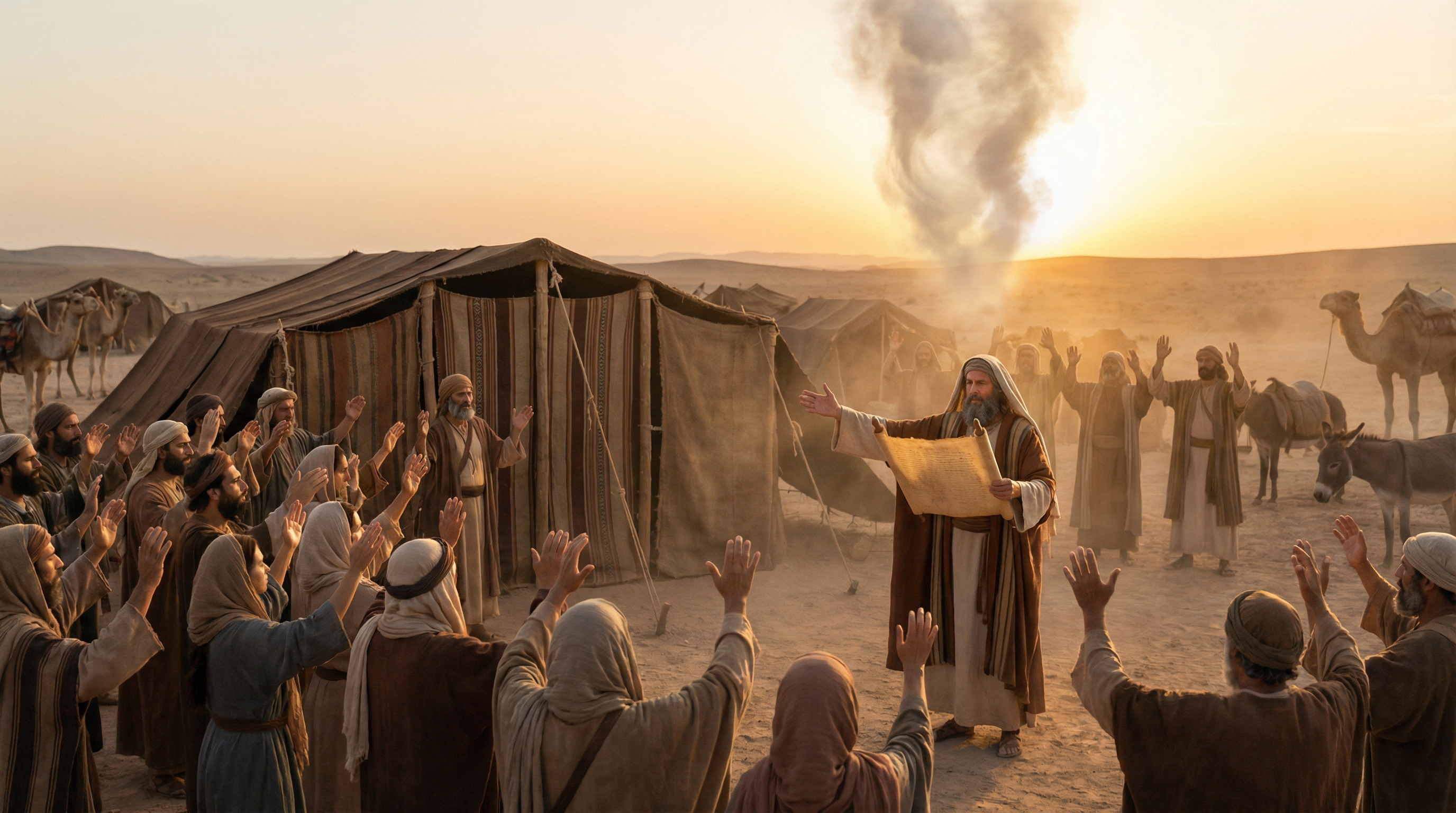
The Covenant Renewed
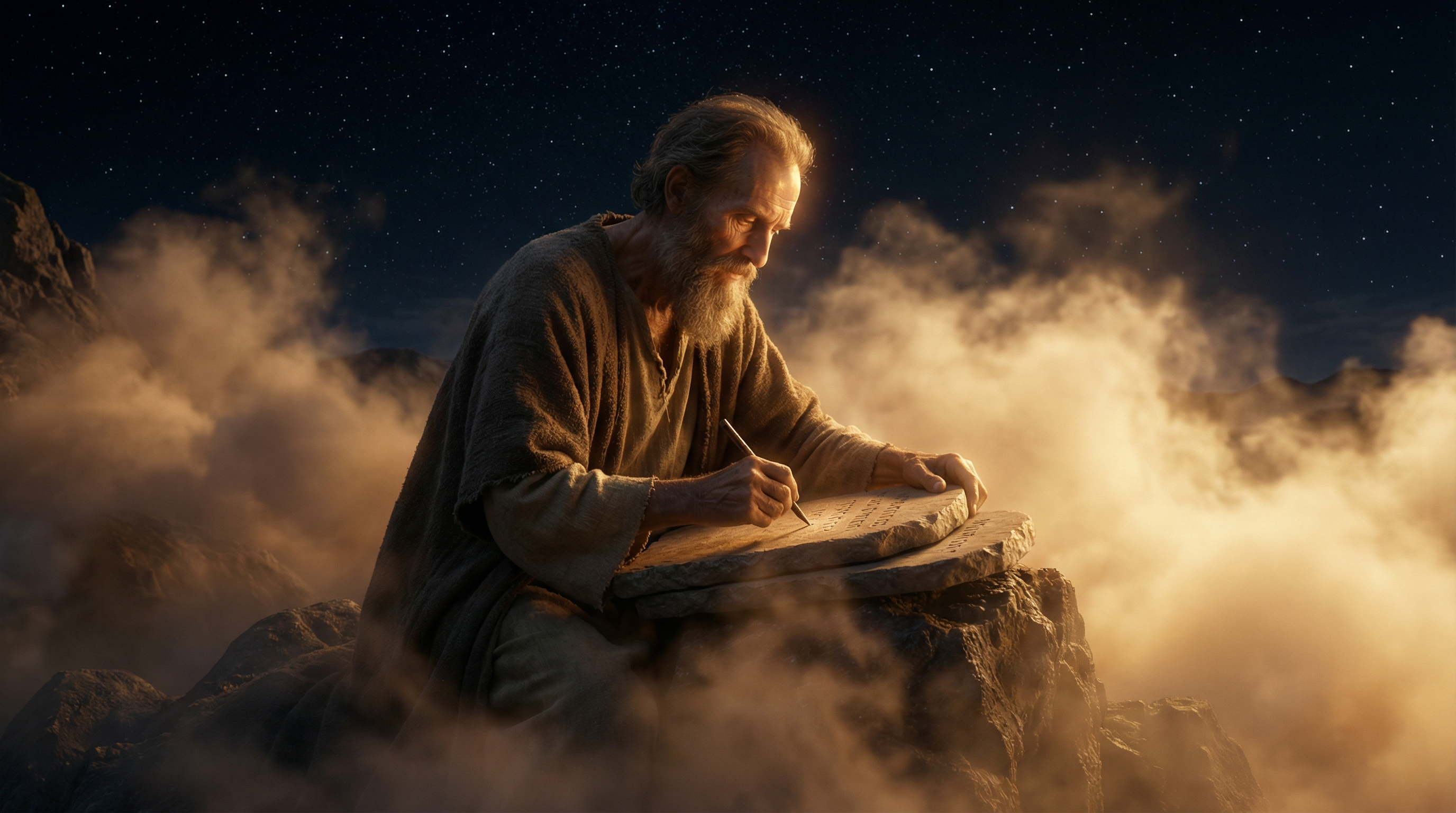
Forty Days on the Mountain
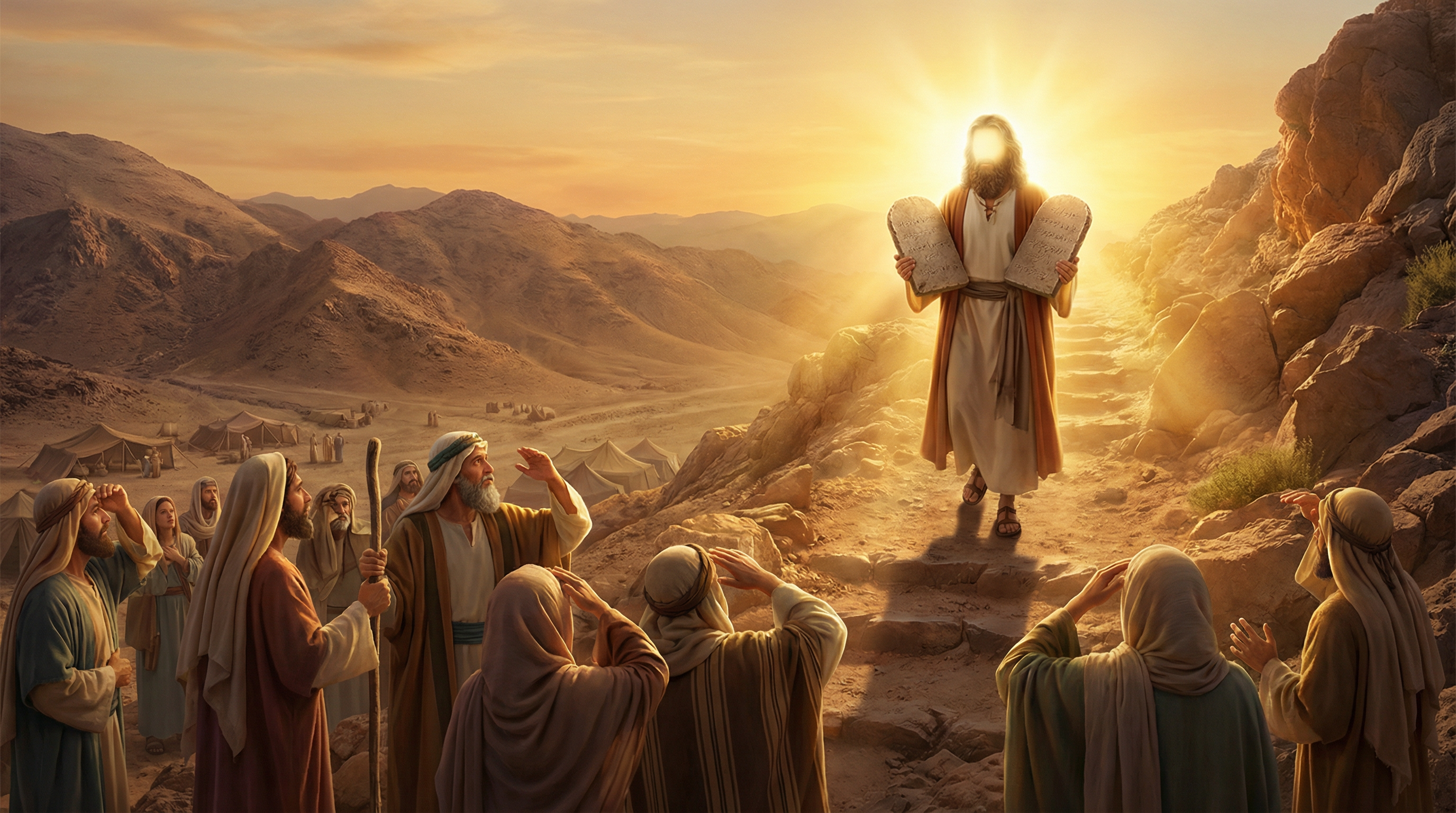
The Shining Face of Moses
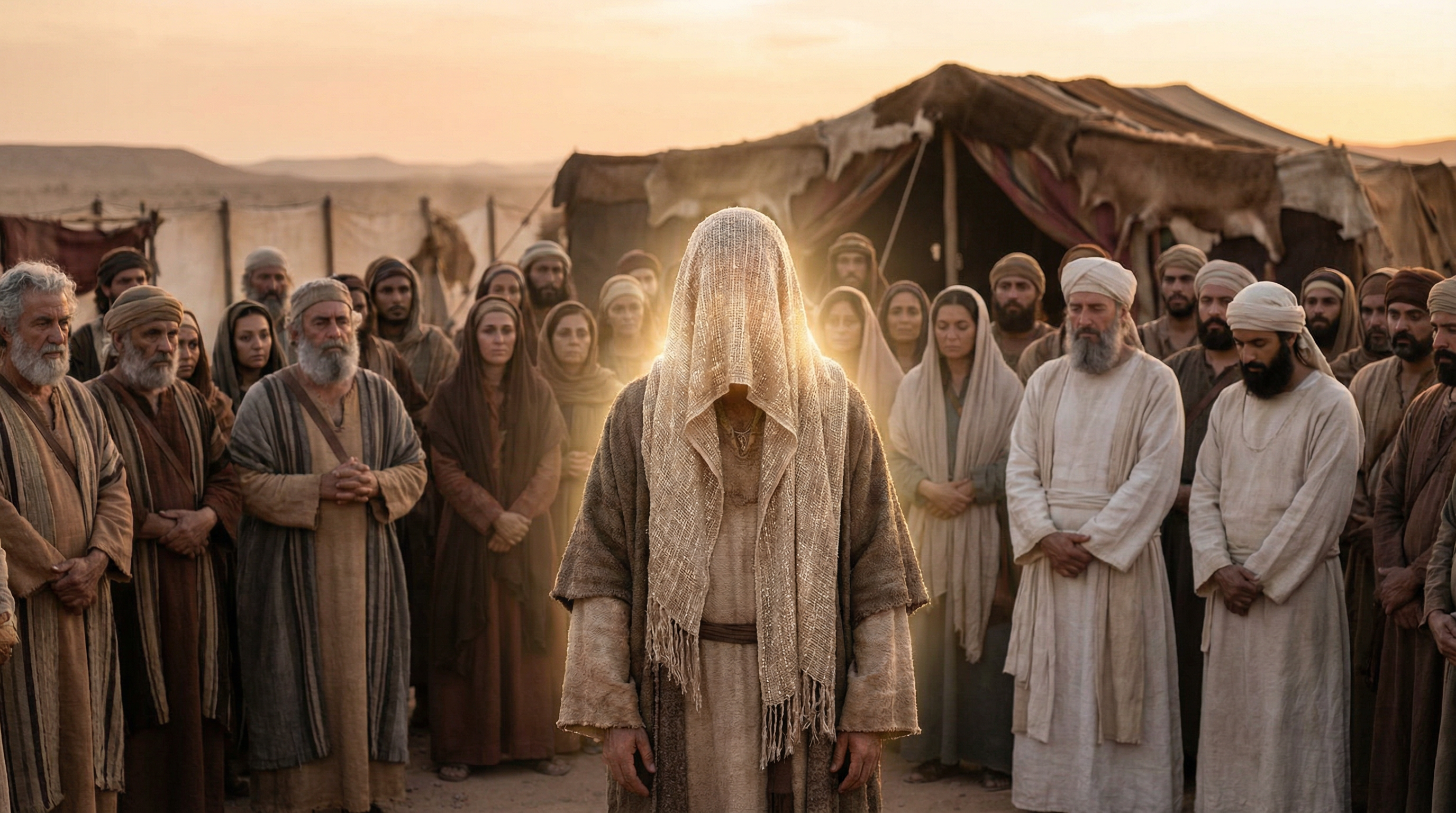
Moses Places the Veil
Join the Community
Deepen your understanding and connect with a global community studying the Scriptures from a Messianic Jewish perspective.
Visit Community